
Health Sciences
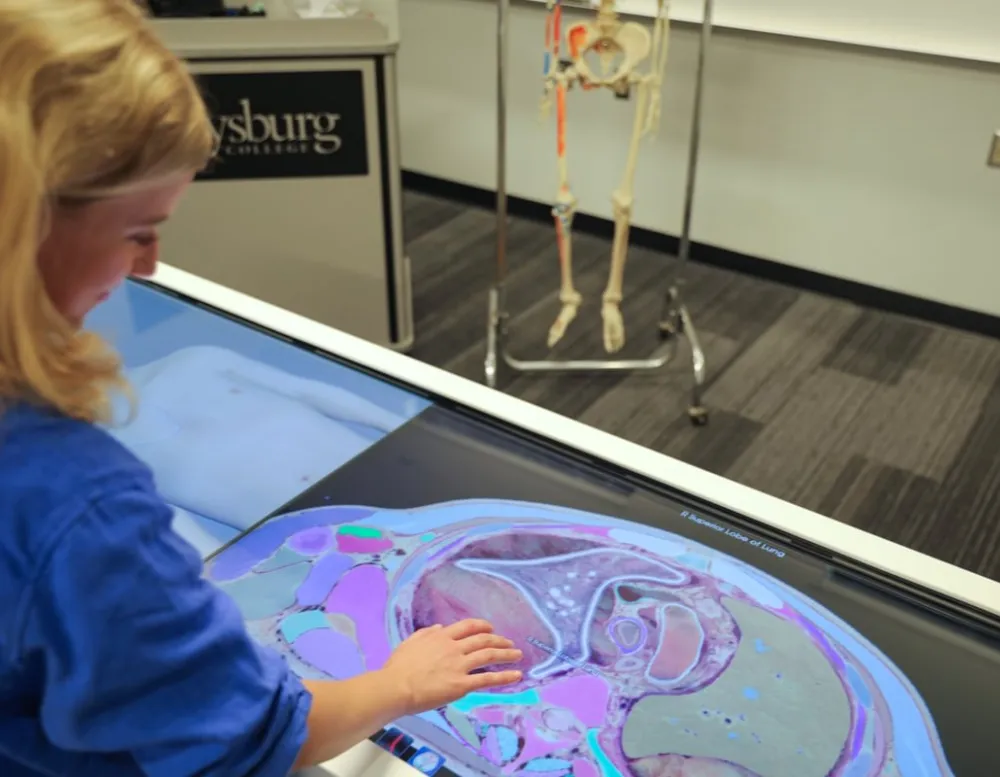
Our health sciences program is one of the only in the country that emphasizes the fusion of a liberal arts education with the human sciences.
Take a multidisciplinary approach to studying the human body with a Bachelor of Science or Bachelor of Arts degree in Health Sciences. You'll build on a liberal arts foundation to study biology, chemistry, physics, and the science of the human body in conditions of health and disease.
Majors & Minors
| Program Name | Program Type |
|---|---|
Health Sciences |
Major Bachelor of Arts |
Health Sciences |
Major Bachelor of Science |
Why study Health Sciences?
Careers in health are fast-growing and impactful, with opportunities spanning clinical practice, research, public health, and health policy. A degree in Health Sciences opens the door to a variety of professional paths, including: medicine, physician assistant programs, physical therapy, public health, nursing, occupational therapy, athletic training, and more. A career in health care begins with a strong foundation in science, hands-on learning experiences, and mentorship from expert faculty.
Why study Health Sciences at Gettysburg
Opportunities
You’ll gain invaluable hands-on experience through internships in a variety of professional environments, such as physical therapy, nursing, medicine, physician assistant, and dentistry. You may also perform independent research, which often results in presentations at scientific meetings and co-authored papers with faculty members.

Academics
Health Sciences majors have a strong record of career success in the nation’s leading professional schools in the health professions, including physical therapy, physician assistant, medicine, nursing, dentistry, and many other fields.

Community of Experts and Professors
The expertise and dedication of the Health Sciences faculty, along with state-of-the-art equipment and facilities, create a focused environment where students can pursue their interests within the field.

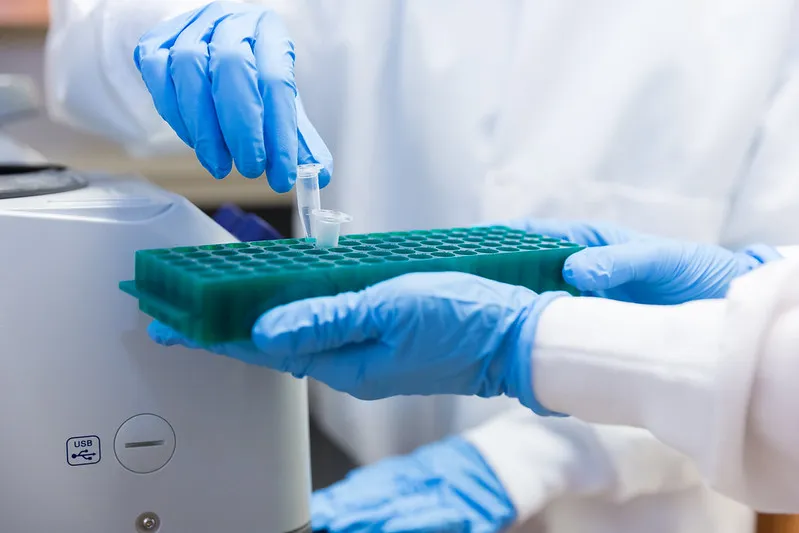
The Health Sciences Department offers a variety of opportunities for hands-on experience through internships in physical therapy, occupational therapy,nursing, medicine, physician assistant, and others.
Many students also do independent research in the field, often working closely with faculty.
Internships
The Health Sciences Department offers both regular internships (typically completed in the summer after the first year or sophomore year) and capstone internships (typically completed in the summer after junior year).
Information on thousands of internship sites located in both the United States and abroad is located in the Center for Career Engagement. The staff also will assist students in looking for an internship site close to a student’s home.
Student & Faculty Collaboration
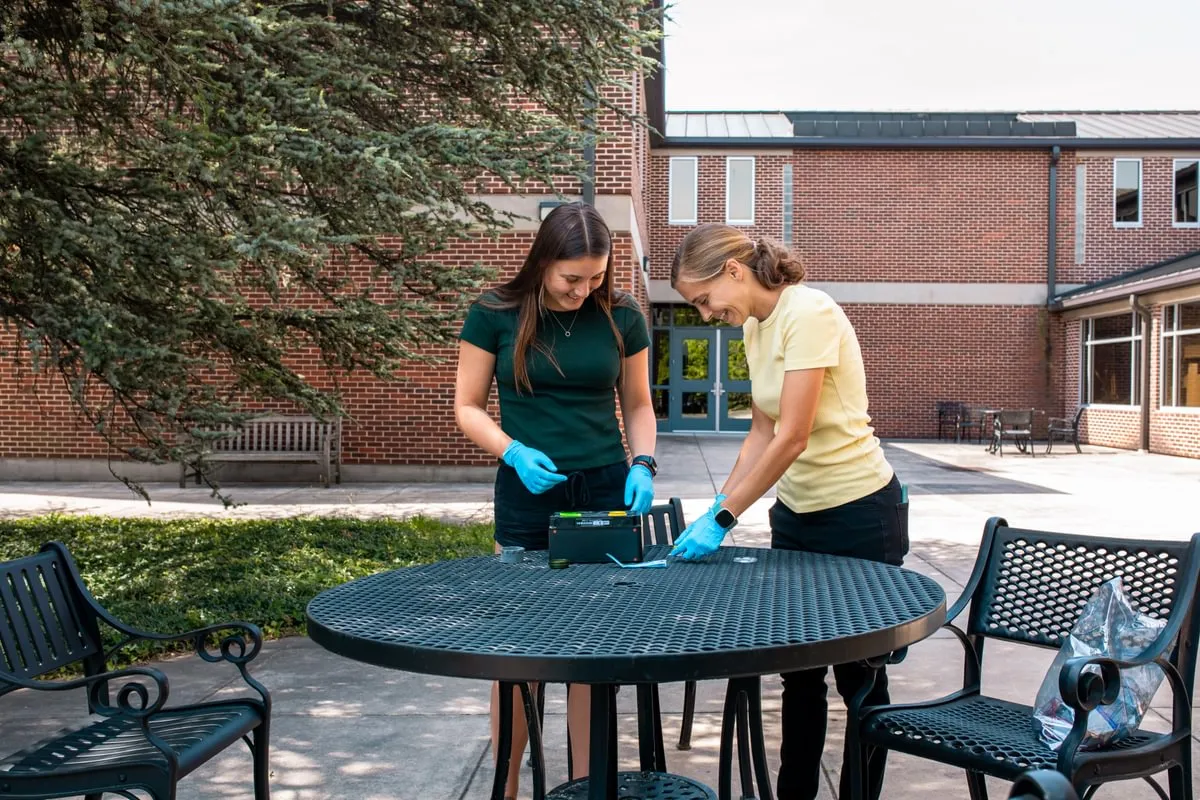
Health Sciences majors have the opportunity to participate in hands-on research in collaboration with a faculty mentor. Possible topics include neuromuscular physiology, fluid and electrolyte balance, the aging process, diabetes mellitus, nutritional supplements, healthcare disparities, and a wide range of other topics.
Students who want to do research work closely with a faculty member to develop a research project. Research may be conducted during the academic year or in the summer, either at Gettysburg or at some other location. Research projects typically culminate in a campus presentation. Some students also present research at regional or national meetings, and become co-authors on research publications.
Study Abroad
Generally, studying abroad is a junior year experience. However, for certain students, the fall of senior year may be preferable. Health Sciences students may take one 300-level HS elective while abroad. Advisors can help students plan their schedules and determine if courses taken abroad qualify as a 300-level HS elective. Interested students are urged to contact the Center for Global Education for more information about study abroad opportunities.
Honors and Awards
Health Sciences majors have the opportunity to earn special honors and awards from the Department. These include:
Departmental Honors in Health Sciences
Seniors who have excelled academically and who have demonstrated exceptional interest and dedication to their studies will receive Departmental Honors.
Grace C. Kenney Award
Created to honor Grace C. Kenney, an educator for 39 years at Gettysburg College, to be given to a junior or senior. First preference is given to a student who has participated in health sciences studies, intramural and athletic programs, and has demonstrated the highest academic accomplishments and leadership skills.
Pre-Health Professions Club
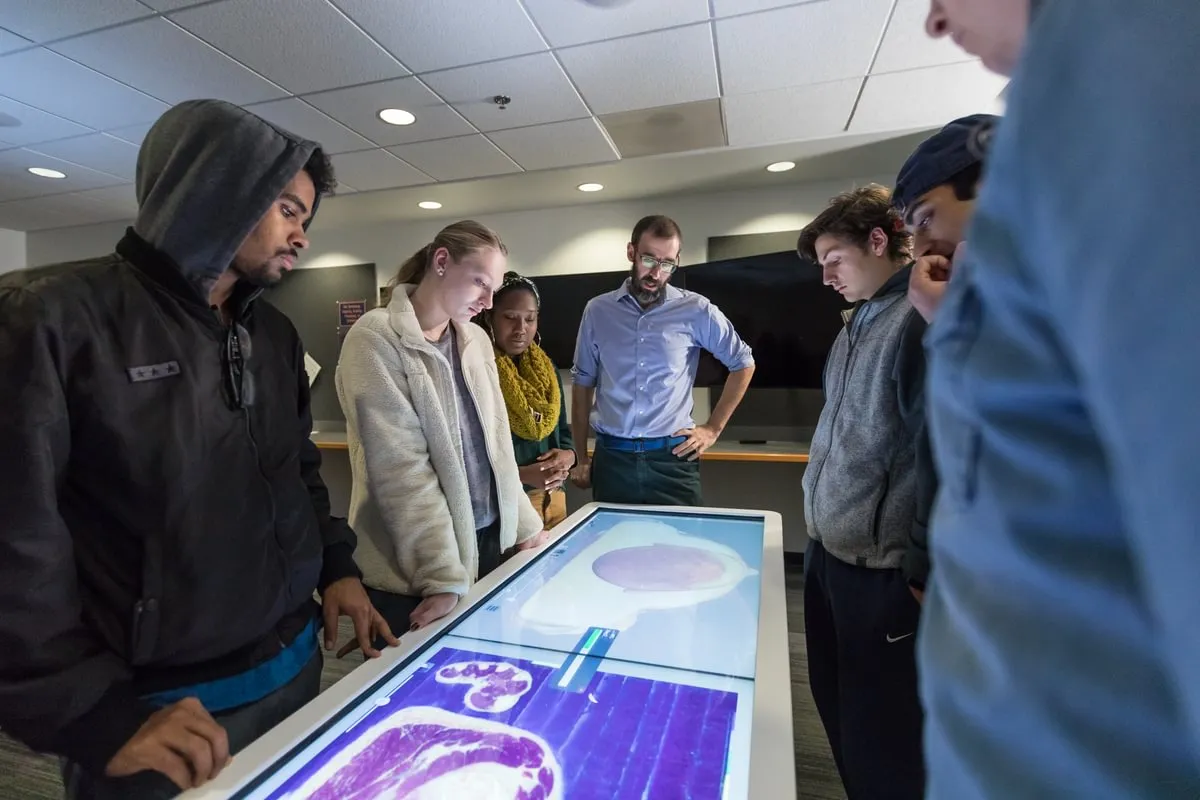
The Pre-Health Professions Club is open to anyone considering a career in a health profession.
The Pre-Health Professions Club seeks to provide a regular forum for students interested in learning more about a health professions career through regular club meetings, guest speakers, field trips, volunteer work, conferences, and more.
Health Sciences News


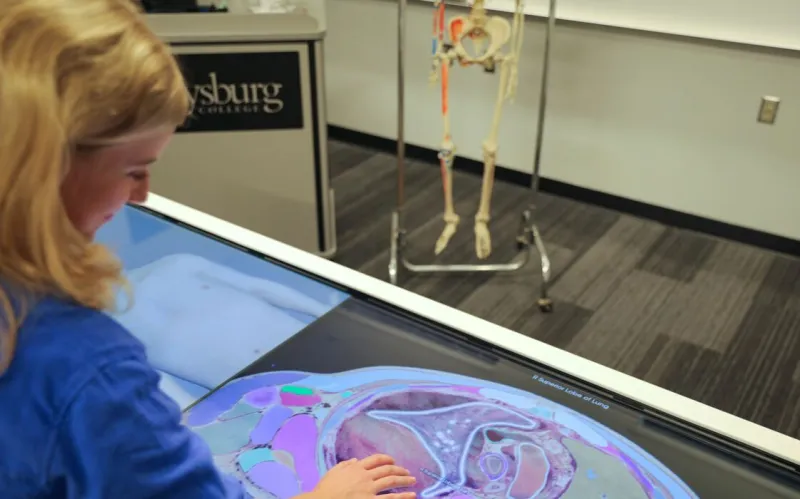
The Health Sciences major at Gettysburg College provides a comprehensive curriculum designed to build a strong foundation in both the natural and social sciences.
Students explore essential subjects such as human anatomy, physiology, nutrition, and epidemiology while also engaging in hands-on learning experiences. Our program’s interdisciplinary nature ensures that students develop a well-rounded perspective, preparing them for the dynamic challenges of modern health care.
Eleven courses are required for the Health Sciences major, Bachelors of Art.
Four HS Core Courses
- HS 120 Public Health
- HS 209 Human Anatomy and Physiology I
- HS 210 Human Anatomy and Physiology II
- HS Capstone. Choose one from HS 478 Capstone Summer Internship, HS 488 Capstone Seminar Class, or HS 460 Independent Capstone Research.
One HS Statistics Course
- HS 232 Statistics for the Health Sciences or Math 207 (107 prior to Fall, 2026) Applied Statistics.
Four HS Electives at the 300-Level
- Choose four from the following 300-level HS courses: HS 309 Exercise Physiology, HS 310 Assessment in the Health Sciences (lab), HS 311 Neuromuscular Physiology (lab), HS 312 Cardiorespiratory Physiology, HS 319 Environmental Physiology, HS 322 Global Health, HS 323 Social Determinants of Health, HS 326 Epidemiology , HS 328 Health Equity, HS 330 Advanced Nutrition and Metabolism, HS 340 Functional Anatomy and Biomechanics, HS 350 Exposure Assessment, HS 376 Pathophysiology of Chronic Disease, and/ or HS 390 Topics in Health Sciences.
- May included one course from an affiliated off-campus studies programs with approval from the HS Department Chair.
Two Natural Science Courses
- BIO 111 Intro to Ecology & Evolution
- BIO 112 Form and Function in Living Organisms
Thirteen courses are required for the Health Sciences major, Bachelor of Science.
Four HS Core Courses
- HS 209 Human Anatomy and Physiology I
- HS 210 Human Anatomy and Physiology II
- HS 230 Nutrition, or one from BIO 211, 212, 230
- HS Capstone. Choose one from HS 478 Capstone Summer Internship, HS 488 Capstone Seminar Class, or HS 460 Independent Capstone Research.
One HS Statistics Course
- HS 232 Statistics for the Health Sciences, BIO 260 Biostatistics, or Math 207 (107 prior to Fall, 2026) Applied Statistics.
Four HS Electives at the 300-Level
- Choose four from the following 300-level HS courses: HS 309 Exercise Physiology, HS 310 Assessment in the Health Sciences (lab), HS 311 Neuromuscular Physiology (lab), HS 312 Cardiorespiratory Physiology, HS 319 Environmental Physiology, HS 322 Global Health, HS 323 Social Determinants of Health, HS 326 Epidemiology , HS 328 Health Equity, HS 330 Advanced Nutrition and Metabolism, HS 340 Functional Anatomy and Biomechanics, HS 350 Exposure Assessment, HS 376 Pathophysiology of Chronic Disease, and/ or HS 390 Topics in Health Sciences.
- May included one course from an affiliated off-campus studies programs with approval from the HS Department Chair.
Four Natural Science Courses
- BIO 111 Intro to Ecology & Evolution
- BIO 112 Form and Function in Living Organisms
- Choose one pair from CHEM 107 & 108 or PHY 103 & 104
Health Sciences majors engage in courses that will build a firm foundation for careers in clinical health care professions and community health. Students work with faculty to design their HS major to prepare them for graduate programs or working in a health career after graduating from Gettysburg College including the following Health Professions Pathways:
Medicine or Dentistry: Gettysburg College is a great place to prepare for a career in medicine. Many pre-med students major in Health Sciences, taking foundational courses in human anatomy and physiology and more advanced courses, such as cardiorespiratory physiology and pathophysiology. Students will take their pre-requisite courses in many departments across campus, including Biology, Chemistry, Physics, Mathematics, and English.
Students can choose any major and go to medical school. Popular majors for students who choose to apply to medical school include Health Sciences, Biology, and BMB. In addition to foundational courses in anatomy and physiology, students will also have access to relevant upper-level courses, such as cardiorespiratory physiology and pathophysiology of chronic disease.
- Physician Assistant Programs: Gettysburg College offers an excellent foundation for pursuing a career as a physician assistant. Health Sciences majors have the opportunity to study foundational courses in human anatomy and physiology, along with advanced courses such as cardiorespiratory physiology and pathophysiology. Students complete their prerequisite coursework across various departments, including Health Sciences, Biology, Chemistry, Physics, Mathematics, and Psychology.
- Physical Therapy: A major in Health Sciences at Gettysburg College is a great option for students interested in pursuing a career in physical therapy (PT). We offer foundational courses in human anatomy and physiology with labs, an advanced course in functional anatomy and biomechanics, neuromuscular physiology, and an exercise physiology course. Gettysburg College offers PT pre-requisite courses across other natural and social sciences departments.
Public Health: Pursuing a Health Sciences major at Gettysburg College is an excellent option for students aiming for a career in public health. Our program includes a foundational course in public health, which prepares students for more advanced classes in epidemiology, exposure assessment in environmental health, global health, and health equity, providing a well-rounded foundation to address pressing public health issues. Students interested in a generalized focus on public health can choose the Bachelor of Arts (BA) degree in Health Sciences.
For students interested in integrating public health studies with public policy studies, Gettysburg College also offers a new major in Public Health Policy. This is a joint major between the Health Sciences department and the Public Policy department. Students take core courses in public health (listed above) and also take foundational and advanced courses in public policy, including a course on health organizations and policy. Students also complete a public health policy internship as a program requirement.
- Nursing: Gettysburg College provides a strong academic foundation for students preparing for a career in nursing. Health Sciences majors have the opportunity to study foundational courses in human anatomy and physiology, along with advanced courses such as cardiorespiratory physiology and pathophysiology. Students complete their prerequisite coursework across various departments, including Health Sciences, Biology, Chemistry, Physics, Mathematics, and Psychology.
- Occupational Therapy: A major in Health Sciences at Gettysburg College is a great option for students interested in pursuing a career in occupational therapy (OT). We offer courses in human anatomy and physiology with labs, medical terminology, and functional anatomy and biomechanics. Gettysburg College offers OT pre-requisite courses across other natural and social sciences departments.
- Athletic Training: Pursuing a Health Sciences major at Gettysburg College is an excellent choice for students aiming for a career in athletic training (AT). Our major includes foundational courses in human anatomy and physiology, complete with lab experiences. Students can also take advanced classes in functional anatomy and biomechanics, neuromuscular physiology, and an exercise-focused course designed to explore the role of physical activity in health and wellness.
The Health Sciences Department offers a BS degree (most popular and best for most clinical health professions careers) and a BA degree (great option for many non-clinical health professions careers).
Students interested in public health careers should also explore our new major in Public Health Policy.
Before you register
- BIO 111 and BIO 112 should be taken in your first year. They are prerequisites for sophomore-level HS core courses in anatomy and physiology.
- If you are considering medical school or physician assistant programs, consider taking CHEM 107 in the fall (placement exam required) and CHEM 108 in the spring.
- For other health professions, discuss whether to take chemistry with your FY advisor or a Health Sciences professor before registering.
Common first-year courses
Required: BA and BS students
- BIO 111 Introductory Biology for Life Sciences (fall)
- BIO 112 Form and Function in Living Organisms (spring)
Recommended — BS students
- CHEM 107 Chemical Structure and Bonding (fall)
- CHEM 108 Chemical Reactivity (spring)
Recommended — BA students
- HS 120 Public Health
Available Courses
100 Level
This course introduces students to the core disciplines of public health including epidemiology, biostatistics, environmental health, social and behavioral sciences, and health policy. Using a social-ecological framework, emphasis is placed on understanding the determinants of health and approaches to public health challenges in the United States. HS 120 and PHP 120 are cross-listed.
200 Level
Systems approach to study the structure and function of the human body. Emphasis is placed on the levels of organization within the human body, and the anatomy and physiology of the integumentary, skeletal, muscular, and nervous systems. (The remaining systems are covered in HS 210 Human Anatomy and Physiology II.) Three class hours and three laboratory hours. Prerequisite: Bio 111 or 113 and Bio 112.
Systems approach to study the structure and function of the human body. Emphasis is placed on the anatomy and physiology of the cardiovascular, lymphatic, respiratory, urinary, digestive, reproductive, and endocrine systems of the human body. (The remaining systems are covered in HS 209 Human Anatomy and Physiology I) Three class hours and three laboratory hours. Prerequisite: HS 209; or with permission of the instructor
Introduction to the construction, definitions, and applications of medical terminology. Students will progress through the major organ systems learning roots, prefixes and suffixes associated with structure and function with emphasis on terms used commonly in diagnosis and pathology. Relevant communication styles will be discussed, such as how medical notes are written, journal articles are structured, and how to precisely, but accessibly, communicate in lay terms. Intended for students pursuing careers in healthcare. Prerequisite: HS 209 and HS 210
An integrated overview of human nutrition. Emphasis is placed on understanding how dietary choices impact general health and the development of chronic diseases. Prerequisite: BIO 111 or 113.
An introduction to statistical methods commonly employed in the health sciences. Emphasis is placed on research design, descriptive statistics, fundamental probability theory, and hypothesis testing, and how to use common statistical software packages. Credit cannot be received for both this course and Biology 260, Economics 241, Mathematics 107, Psychology 205, or MGT 235.
Introduction to major bioethical theories in the health sciences including consequentialism, deontology, principlism, and casuistry. These ethical frameworks will be used to analyze a variety of topics common in health care including informed consent, confidentiality, and research ethics. Health issues discussed include abortion, reproductive technology, genetic choices, euthanasia, bias, pandemic ethics, disability ethics, etc.
Quarter credit internship graded S/U.
300 Level
This course analyzes the social determinants of health – the non-medical and non-health factors that affect health outcomes. Social factors, such as education, race/ethnicity, income, environment, and housing, shape our health in obvious – and not-so-obvious – ways. This course outlines the historical causes of various social factors, illustrates how these social factors harm health, including the particular health outcomes linked with each of them, and examines public policies
designed to mitigate the deleterious effects of these social factors. HS 323, PHP 323, and PP 323 are cross-listed.
Study of a topic not normally covered in depth in the regular curriculum of Health Sciences. Topics vary and will often correspond to a faculty members area of academic research or a unique area of expertise. Offered irregularly.
This is an entry level pathophysiology course. Emphasis is placed on the signs, symptoms, diagnosis, and treatment of the chronic diseases most commonly found in western society. Course specifically focuses on Cardiovascular Diseases (Hypertension, Atherosclerosis, Heart Attack, Stroke), Respiratory Diseases (Emphysema, Asthma, Bronchitis), Metabolic Disorders (Diabetes Mellitus, Hyperlipidemia, Obesity), Cancer, Chronic Inflammation and others. Prerequisites: HS 209 and HS 210.
Overview of the aspects of environmental exposure assessment. Exposure assessment is a key component of environmental public health. Students will learn the foundations of exposure assessment including identifying sources of exposure, measuring and assessing exposures, and preventing harmful exposures to protect the health of populations. Topics will include the basics of exposure science, specific examples of sources and environmental agents (air, water, food, soil, etc.), routes of exposure (inhalation, ingestion, absorption), methodology on assessing exposure, specific exposures impacting vulnerable populations, and the role of agencies and policies in protecting human health. Prerequisite: Junior or Senior
HS 350 and PHP 350 cross-listed.
A study of human anatomy in motion. This course will examine how the skeletal, muscular, and nervous systems interact to create movement. Topics include: the physical structure, muscular movements, and biomechanics involved with various physical activities. Anatomical concepts and physical laws related to joint and muscle action are included. Prerequisite: HS 209
Study of the physiological function and metabolic fate of carbohydrates, lipids, and proteins and their involvement in fulfilling energy needs for maintenance, growth, and work. Specific topics include the various pathways by which nutrients are stored, accessed and oxidized to provide energy; how exercise and disease affects these systems; the role of hormones and enzymes in regulating energy balance and substrate utilization; the role of diet and energy balance in metabolic syndrome X, obesity and other prevalent lifestyle diseases. Prerequisite: HS 230 or permission of Instructor
Introduction to the field of health equity, which focuses on ensuring that all populations—regardless of race, ethnicity, age, gender identity, immigration status, disability status etc.—have equal opportunity to achieve and maintain a healthy life. Due to issues of marginalization, discrimination, and social determinants of health, many groups do not have access to the means necessary to achieve health and well-being. This course raises conceptual, methodological and substantive issues, including applications to health care and community-based solutions. HS 328 and PHP 328 cross-listed.
Introduction to epidemiological approaches to understanding disease and health outcomes among populations. This course covers the basic principles and methods of epidemiology and the application to real-world public health issues in order to characterize and promote health at the population level. Content will include a variety of health topics, such as infectious diseases, chronic diseases, social determinants of health, environmental health, and health behaviors. HS 326 and PHP 326 are cross-listed.
Introduction to the complex social, economic, environmental, political, biological, and cultural intersections that influence the global burden of disease. Emphasis is placed on understanding health inequities and the challenges to improving health outcomes on a global scale. Prerequisite: Juniors and Seniors only. HS 322 and PHP 322 are cross-listed.
Introduction to the physiological effects of, and adaptations to, extreme environments in humans, including hyperthermia (heat), hypothermia (cold), hyperbaric (high atmospheric pressure), hypobaric (low atmospheric pressure) and microgravity (space flight physiology). Prerequisite: HS 209 & HS 210.
In-depth study of the structure and function of the cardiovascular and respiratory systems. Special attention will be given to the integrated function of the two systems, both in normal and pathological states. Prerequisites: HS 209 and HS 210.
An examination of the neurological and physiological properties of skeletal muscle. An emphasis is placed on the structural adaptation caused by use and disuse as well as exposure to acute and chronic stimuli. Students gain an in depth understanding of variety of topics related to skeletal muscle including: skeletal muscle microstructure, temporal summation, excitation-contraction coupling, isokinetics, force-velocity dynamics, fiber typing, electrical stimulation, and immobilization. Three class hours and three laboratory hours. Prerequisites: HS 209 and HS 210.
A practical and theoretical overview of various physical assessments related to health and disease. Students learn the underlying physiological basis for different assessment techniques as well as the practical skills needed to perform and interpret them. Emphasis is placed on understanding the underlying technology and methodology used for each technique. Three class hours and three laboratory hours. Prerequisites: HS 209 and HS 210.
Students will be encouraged to learn and understand how the human body physiologically responds to both acute and chronic bouts of physical exertion. The instructor will take a systems-based (muscular system, pulmonary system, etc.) approach to explaining how the body adapts to physical work. Students will learn the various components of fitness and discover how to prescribe exercise based upon the unique physiological of an individual. Laboratory experiences in conjunction with laboratory analyses will be utilized to enhance understanding of lecture material. Prerequisite: HS 209 & HS 210.
400 Level
Independent investigation of a topic of special interest, including both literature and laboratory/field research. An oral presentation to the department and a written thesis are required.
Independent internship experience under the direct supervision of professional personnel in a variety of HS-related areas. Internship must be approved by the Center for Career Development and the HS Department Internship Coordinator. Graded S/U.
Independent internship experience under the direct supervision of professional personnel in a variety of HS-related areas. Internship must be approved by the Center for Career Development and the HS Department Internship Coordinator. Graded S/U.
Independent internship experience under the direct supervision of professional personnel in a variety of HS-related areas. Internship must be approved by the Center for Career Development and the HS Department Internship Coordinator. Graded A-F.
Independent internship experience under the direct supervision of professional personnel in a variety of HS-related areas. Internship must be approved by the Center for Career Development and the HS Department Internship Coordinator. Graded S/U.
This Capstone course has been designed for your personal and professional development specifically utilizing the skills acquired as a Health Sciences major. Students will identify the professional expectations to both enter into and thrive in a Health Sciences career(s). Students will demonstrate the ability to effectively engage other professionals utilizing skills related to writing, verbal communication, visual presentations and other forms of professional engagement. Students will also identify the primary modes of professional continuing education, goal setting and demonstrate the ability to analyze and participate in the process of ongoing self-education. Finally, a tangible collection of capstone artifacts will be included in a portfolio that will be created over the course of the semester. Graded S/U.
Health Sciences
More In Health Sciences
Ready to Do Great Work?
