

CPS Summer Fellowship
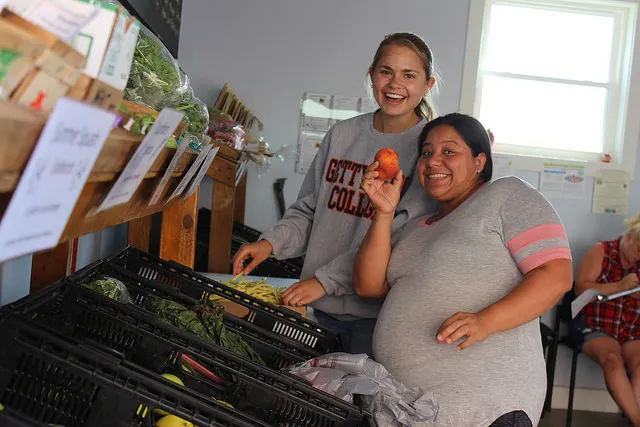
Students work at the Painted Turtle Farm.

Students learn beekeeper safety at Sherfy Garden

Students introduce pets to community members

Students at the Gettysburg Senior Center

The Center for Public Service works with our local and global partners to provide summer fellowship opportunities to students who spend eight weeks learning about and engaging in the work of community action. By working on food security with the Latinx community in Gettysburg, or on energy access and health initiatives in Dar es Salaam, Fellows will have the opportunity to develop strong relationships and learn how to tackle some of our most challenging issues. This Fellowship is made possible through ongoing gifts from James Heston ’70 and reflects Gettysburg College’s commitment to experiential learning and community impact.
Fellows will be paired with a community partner, where they will focus 30 hours per week on community development and sharpening their understanding of the complexity of social issues.
In addition, each Fellow will spend 10 hours per week developing and implementing their own learning plan. Each plan will differ based on the Fellow's interest, and could be a research question, a community-based project, an artistic work, or anything that extends the summer learning.
Program Components
The Fellowship consists of the following components, which aim to provide students with the support needed to implement successful, sustainable projects in partnership with their host organization.
Orientation: Students meet with other CPS Fellows throughout the Spring semester, to engage in learning and dialogue around issues related to community development. Working with a CPS staff member, each Fellow will develop their individual learning plan during this time, which they will execute during the summer.
Host Organization Orientation: Students are introduced to their host organization and staff to gain a full understanding of the resources, people and projects currently in progress.
Community Work: Each Fellow will work closely in the ongoing work of one or more community partners. This work will average 30 hours per week, leaving time for Fellows to read, research, and write for their individual learning plan.
Ongoing Education, Training and Reflection: Learning about social issues as well as developing professional skills in intentional ways are vital to developing and managing a sustainable work plan. Participants will meet regularly with a CPS staff member to discuss their learning plan and reflect upon experiences, ensuring the link between the theoretical and practical. This will help students deepen their understanding of themselves and the process of community development.
Celebration/Presentation of Projects: All participants will give a brief presentation to CPS professional staff and community partners at the conclusion of the fellowship. There are myriad options for the content of the presentation; examples include a report on research conducted during the summer, a product created for a community partner, a creative work reflecting a participant’s learning.
Gettysburg: Food Access and Immigration
Overview
During the first week, all Fellows participate in an orientation to learn more about the intersection of immigration and food justice. Gettysburg Fellows also learn about life in Adams County: they visit agencies, speak with community members, and volunteer. By the end of the week, they will begin to understand the intersections between food and immigrant life in Adams County.
Once orientation is complete, Fellows begin working with their community partner (30 hours per week). In addition, each Fellow will work with CPS staff to implement their learning project related to food justice, immigrant's rights, educational equity, and/or poverty eradication (10 hours per week).
Fellows stay in campus housing, which is paid for by the Fellowship.
This experience is fully-funded by a generous gift from Jim Heston '70. Gettysburg Fellows receive a stipend of $3,500.
Community Partners in Gettysburg:
Fellows work focus their work with one of our community partners in Gettysburg. Some examples include:
Migrant Education Program: Migrant Education provides supplemental education for children of migrant and formerly migrant agricultural workers. Fellows will visit migrant camps with Migrant Ed staff. In addition, Fellows will propose a special curriculum plan for Migrant Education's Summer School of Excellence based on their own talents and interest. Examples include painting, karate, theater, robotics, dance: any interest that the Fellow has that can be translated into a special arts/science/writing curriculum for Summer School students (any age) will be a great benefit to enhancing the four week summer school program (students should identify this interest in their applications).
Casa de la Cultura: Casa de la Cultura promotes the cultural rights of immigrant communities through educational and cultural activities that explore the arts and healthy living, emphasizing Latino culture and its realities. Programs include adult English classes, swimming clinics, immigration reform, children's programming, and connection to food access programs.
South Central Community Action Programs: SCCAP empowers families and engages the community to pursue innovative and effective solutions to break the cycle of poverty. Programs that Fellows will engage with the Gleaning Network and the Food Pantry.
Adams County Farmers Market: The Adams County Farmers Market strengthens the bond between agriculture and the community through a community-driven, open air farmers market each Saturday. Through strong community partnerships, they also facilitate many food incentive programs that assist lower income shoppers in buying locally produced food while promoting health and wellness in our community. Fellows working with ACFMA will help every Saturday with Market Days, with research and assessment, and have room to design their own project.
Painted Turtle Farm: PTF is a campus-community hub for food justice which brings students and immigrant community members together to grow and access healthy foods, share food traditions and create a pathway towards larger scale farming.
Ready to Do Great Work?
