
ALL News

5 ways the Gettysburg Approach supports student-athletes
With support from Personal Advising Teams and Guided Pathways, the Gettysburg Approach provides students opportunities to excel in and out of the classroom, including student-athletes.
Competing in collegiate athletics is a unique and well-earned opportunity. According to the National Federation of State High School Associations (NFHS), about 7% of high school athletes go on to play at the collegiate level. It requires passion and dedication not only to athletics, but also to the pursuit of academic knowledge and personal development.

In his words: Diptiman Das ’27 on the power of giving back
Reflecting on his growth at Gettysburg, Diptiman Das ’27 discovered how opportunities in art, design, and community projects allowed him to give back and create spaces that bring people together. Continuing to do just that, he recently shared his story with the Class of 2029 at Experience Gettysburg, encouraging them to also embrace vulnerability, curiosity, and sincerity to open new doors.
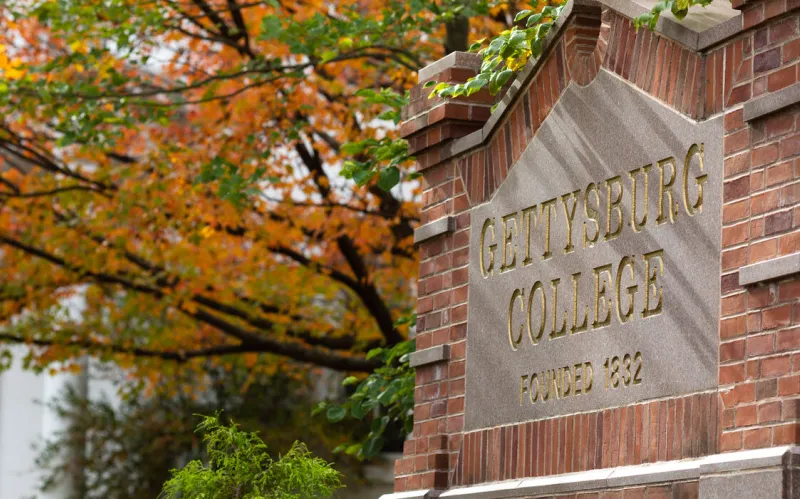
Gettysburg names Robert Schwartz ’92 as VP for Enrollment and Educational Services
In his new role, Robert Schwartz ’92 will oversee admissions, financial aid, intercollegiate athletics and campus recreation, institutional research, and alternative revenue, all with the goal of recruiting and enrolling a new generation of talented students to Gettysburg College

Joseph ’75 and Susan ’77 Biernat support mentorship and learning in the arts
With support from the Biernats, Gettysburg College is establishing an endowed professorship in the arts and a new internship fund to expand faculty excellence and provide students with transformative experiential learning opportunities.
Gettysburg College has announced an impactful commitment from Joseph ’75 and Susan ’77 Biernat to establish the Biernat Endowed Professorship in the Creative, Performance, and History of the Arts and the Biernat Internship Fund for the Arts, creating enduring opportunities for students and faculty in the arts for generations to come.
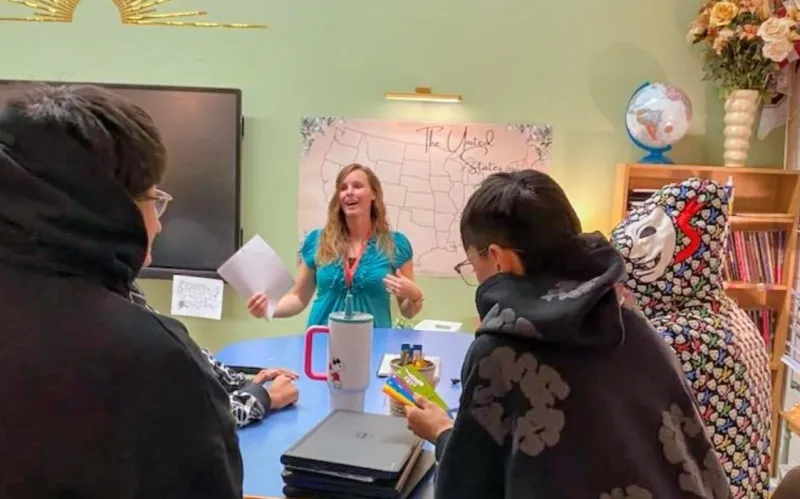
Master’s program connects history, cultural education for Shawna Failner M’25
The Gettysburg College-Gilder Lehrman Institute (GLI) Master of Arts in American History program supports inclusive educators like Shawna Failner M’25 with a dynamic curriculum that encourages creativity and critical thinking.

In her words: Annie Bolenbaugh ’26 finds community at Gettysburg College
As she enters senior year, Annie Bolenbaugh ’26 reflects on her journey at Gettysburg College—from navigating residential life as a first-year student to taking on leadership roles that have allowed her to strengthen the campus community. Most recently, she served as a speaker at Experience Gettysburg, during which she encouraged the Class of 2029 to lead with purpose.
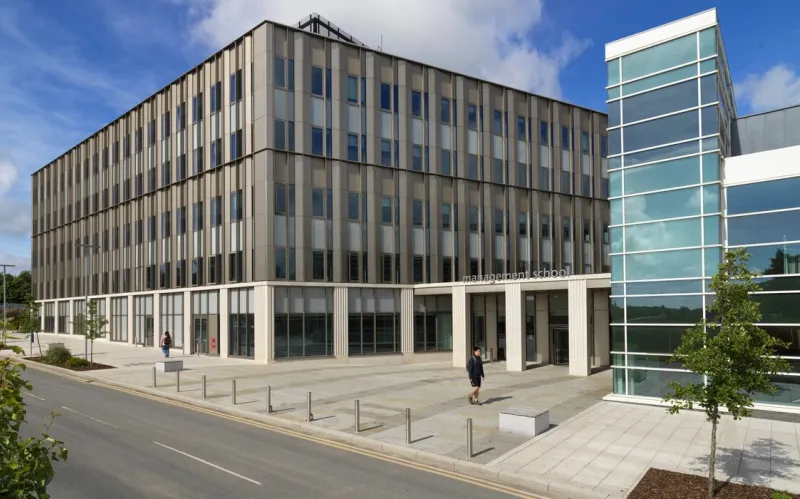
Gettysburg College, Lancaster University launch international postgraduate partnership
This partnership between Gettysburg College and Lancaster University in Lancaster, United Kingdom, guarantees admission into master’s programs for qualifying Gettysburg graduates.
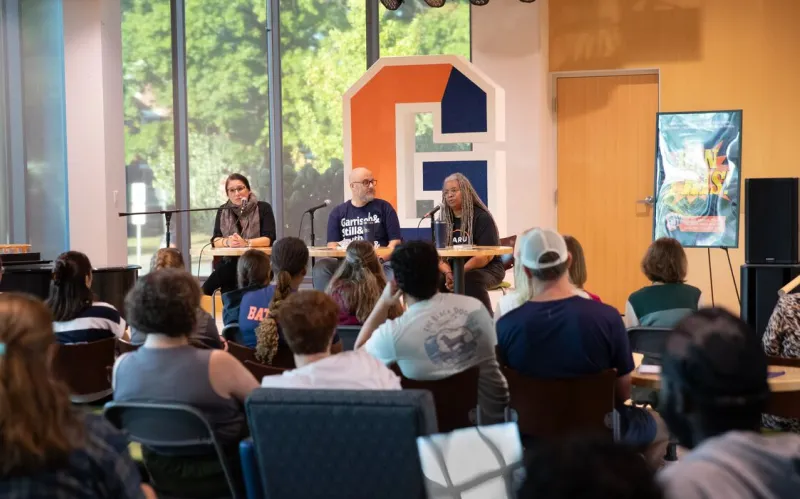
Nationally recognized M.Ed. teachers connect with Gettysburg students
With a commitment to equity, advocacy, and engaged teaching, Gettysburg College’s M.Ed. program in Educational Design and Inquiry provides opportunities for its master’s professors to connect with current undergraduate students.
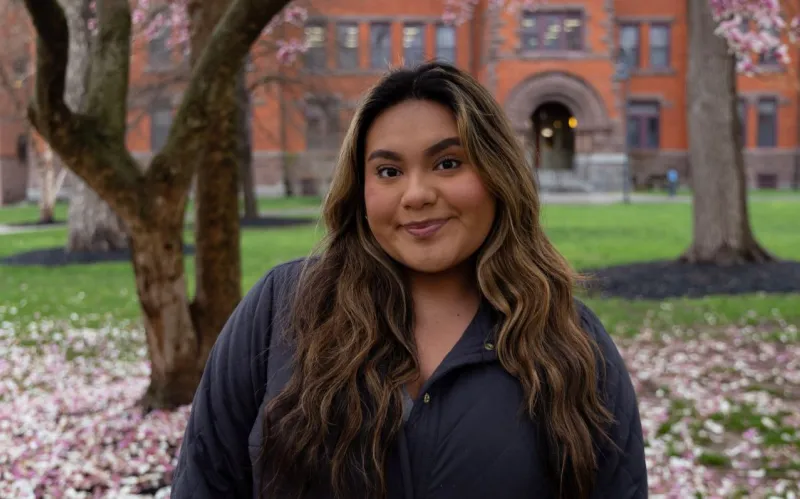
Lucero Rosas ’25 combines global research with real-world impact
Lucero Rosas ’25 has embraced hands-on learning through the Eisenhower Institute at Gettysburg College, conducting global fieldwork on climate change and collaborating on academic research. These experiences have shaped her passion for people-centered policy and her path towards a future in law and advocacy.
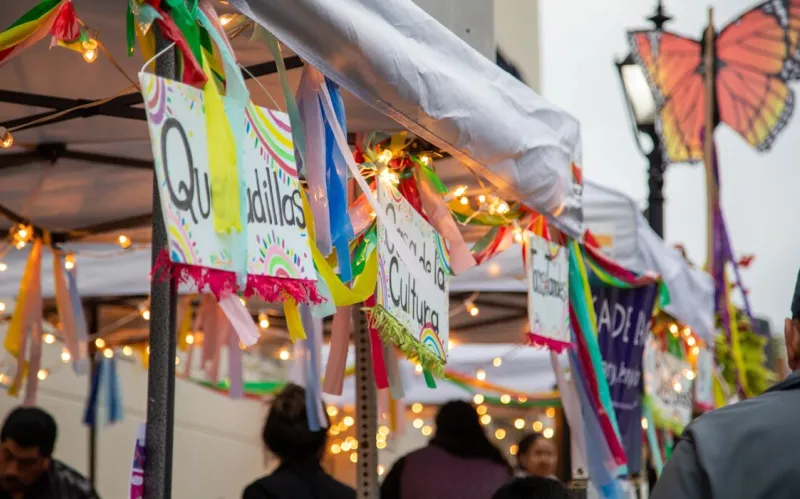
Strengthening community through Gettysburg’s place-based learning
Gettysburg College students build meaningful connections with local residents through service, cultural exchange, and collaborative projects that strengthen community ties and foster mutual understanding.
Gettysburg’s location doesn’t just shape what students learn—it shapes how they connect. Through organizations like the Center for Public Service (CPS), campus clubs, and various academic departments, students form meaningful relationships with local residents, learning as much from the community as they contribute.
Ready to Do Great Work?
