
Art and Art History
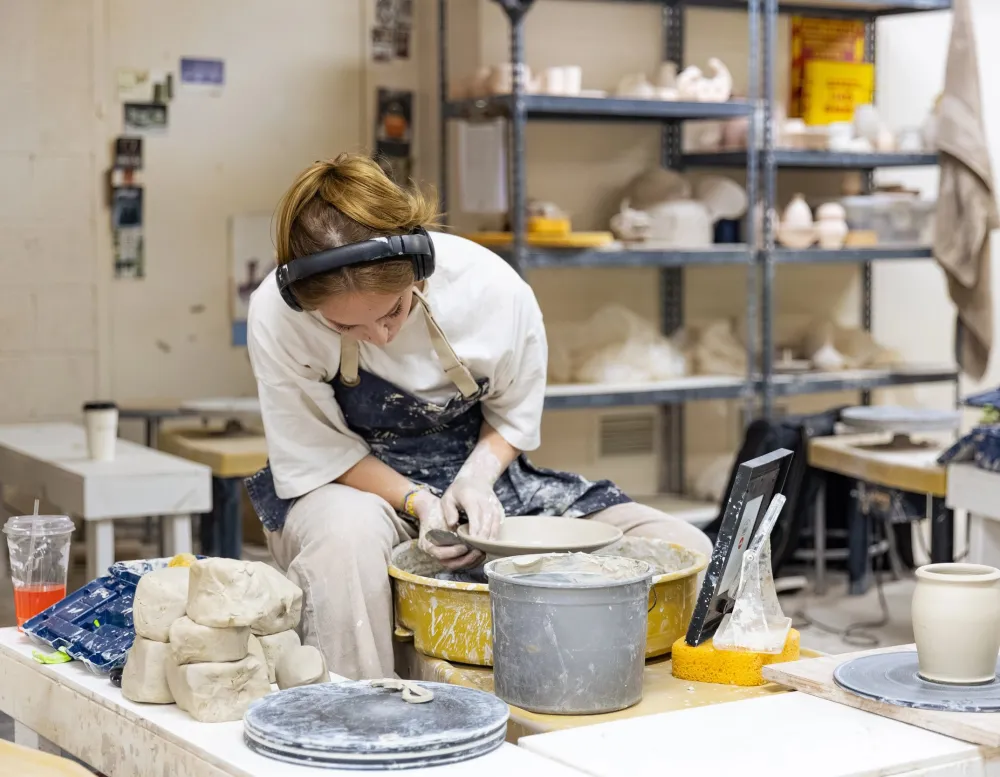
Art and Art History at Gettysburg College offers an enriching, interdisciplinary education that fosters both creativity and intellectual curiosity
Whether you're passionate about creating visual art or studying its historical and cultural contexts, this program provides a comprehensive foundation in both studio practice and critical analysis. With hands-on experiences, close mentorship from accomplished faculty, and access to vibrant art galleries and museums, you’ll gain the skills and insights necessary to navigate today’s visually-driven world. Choosing to study art and art history at Gettysburg means becoming part of a community that values innovation, expression, and critical thought—preparing you for a future in the arts or any field that thrives on visual and cultural literacy.
Majors & Minors
| Program Name | Program Type |
|---|---|
Art Studio |
Major Bachelor of Arts |
Art History |
Major Bachelor of Arts |
Art History and Museum Studies |
Major Bachelor of Arts |
Art Studio |
Minor |
Art History |
Minor |
Why Study Art and Art History?
Choosing to major in Art and Art History at Gettysburg College offers the perfect balance between creative expression and intellectual discovery. You’ll develop hands-on skills in various artistic mediums while gaining an in-depth understanding of art's cultural, social, and historical contexts. The program cultivates both your artistic and analytical abilities, equipping you with versatile skills that are valuable across many fields, from art and curation to education and beyond. Gettysburg’s unique liberal arts environment fosters interdisciplinary thinking, helping you prepare for a dynamic career or further studies in the arts.
Why Study Art and Art History at Gettysburg College
Opportunities
Creativity, a passion for hands-on work and a drive to cross boundaries and explore cultures— an Art and Art History major or minor will give you the skills to take these interests to new levels, whether as a form of personal expression or to enrich other fields of study.

Academics
From curating shows to exhibiting your own work, we promote dynamic student research and creative activity by engaging the diverse and rich world of artistic expression.

Community of Artists and Professors
At Gettysburg, you'll experience a uniquely immersive education that combines artistic creation with the critical study of visual culture, all within a liberal arts framework.

Creativity, a passion for hands-on work and a drive to cross boundaries and explore cultures— an Art and Art History major or minor will give you the skills to take these interests to new levels, whether as a form of personal expression or to enrich other fields of study.
In an ever-increasing visual world, our Studio and Art History programs provide crucial tools for understanding the power of images, exploring why works of art are made and why art has played such a significant role in cultures and societies throughout history. Our students love their work here and have gone on to prosper in various jobs and graduate programs, whether it be in Art Therapy, museum work or street art.
Featured Courses
Visit Curriculum tab for a comprehensive list of all available courses
200 Level
An introduction to the history of the art historical discipline and its research and interpretive methods. A broad goal of the course is to have students build a foundation of knowledge and methodology from which to approach works of art with understanding and critical appreciation. Through lectures and class discussions students will develop a thorough familiarity with various art-historical methodologies and be able to evaluate their applicability to the analysis of individual works of art. Students in the class will curate an exhibition of artworks from the college special collection in the Schmucker art gallery. Prerequisite: Any ARTH course, FYS 122-1, or HIST 201
An overview of art and architecture produced across cultures from the 14th-17th centuries. The course looks at the vibrant array of visual works from different areas of the world to de-center the traditional Euro-centered definitions of “Renaissance” and incorporate diverse perspectives, techniques, materials, iconographies, social expectations and cultural contexts. This course draws on new approaches to art in a global context and explores how different geographies interacted with each other through the circulation of goods, resources and knowledge.
Meaningful Pre-professional Student Roles
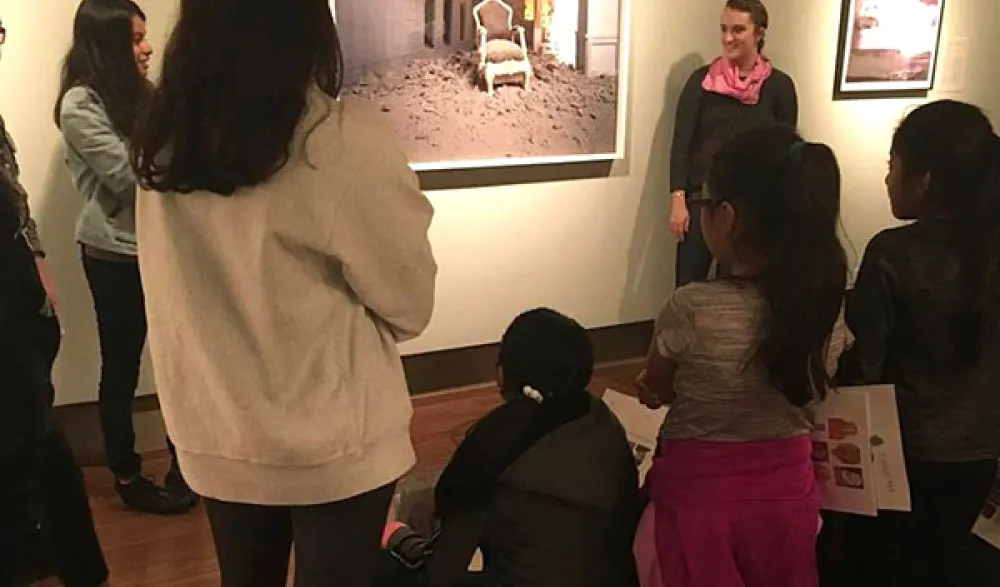
Work as a Gallery Attendant: Student Gallery Attendants have the opportunity to assist with community outreach and programming, including giving tours and facilitating workshops for local school groups and after school programs. They also assist in the installation and de-installation of exhibitions, publicity and social media announcements, and serve as docents. Contact gallery@gettysburg.edu for more information on applying for this position.
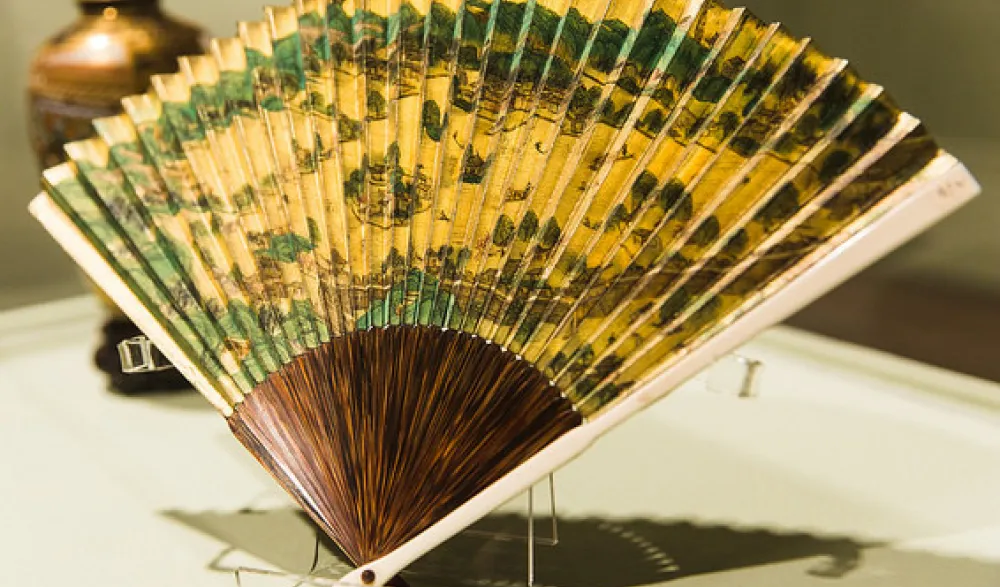
Become a Student Curator: Students enrolled in select art history courses, including “Methods of Art History,” “Art and Public Policy,” and “Wonders of Nature and Artifice: The Renaissance Quest for Knowledge,” have the opportunity to curate exhibitions in Schmucker Art Gallery. Recent exhibitions include The City: Art and the Urban Environment, Wonders of Nature and Artifice, and Flora and Fauna in East Asian Art. Students may also propose individual curatorial projects related to their research interests.
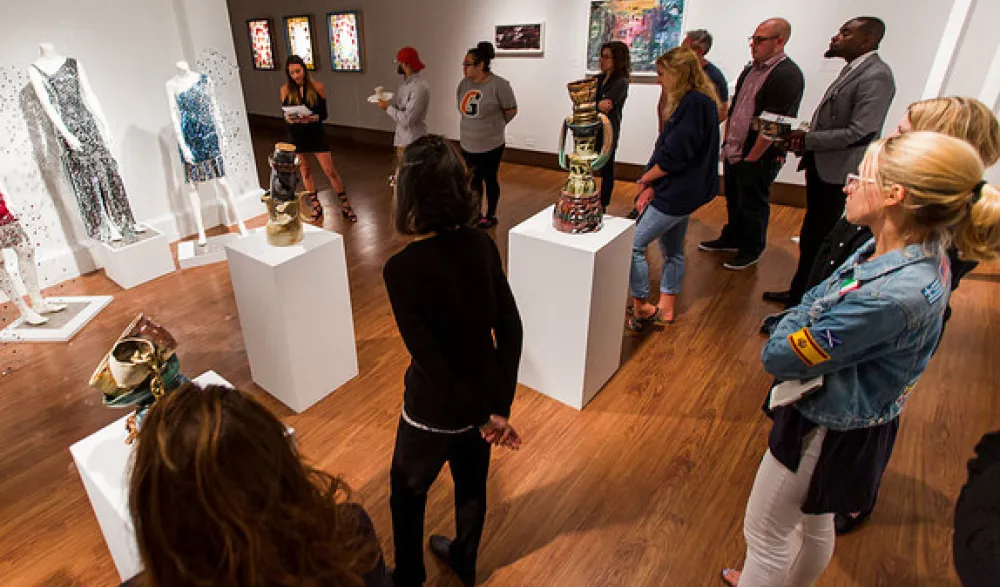
Exhibit Your Artwork: Students enrolled in Studio Art courses at Gettysburg College are invited to submit artwork to the annual Juried Student Exhibition. Email gallery@gettysburg.edu for Juried Student Exhibition entry forms or stop by Schmucker Art Gallery. Senior Studio Art Majors present their advanced capstone work in Schmucker Art Gallery each spring under the direction of Gettysburg College studio art faculty. All artists are also welcome to submit work to the Adams County Arts Council Juried Art Exhibition held in partnership with Schmucker Art Gallery each summer.
Student Opportunities: Be a Part of the Scene
From curating shows to exhibiting your own work, we promote dynamic student research and creative activity by engaging the diverse and rich world of artistic expression. Working with objects first-hand is key, with numerous field trips to major museums in Baltimore and Washington, D.C. as well as an extended visit to New York City.
Gallery Spaces
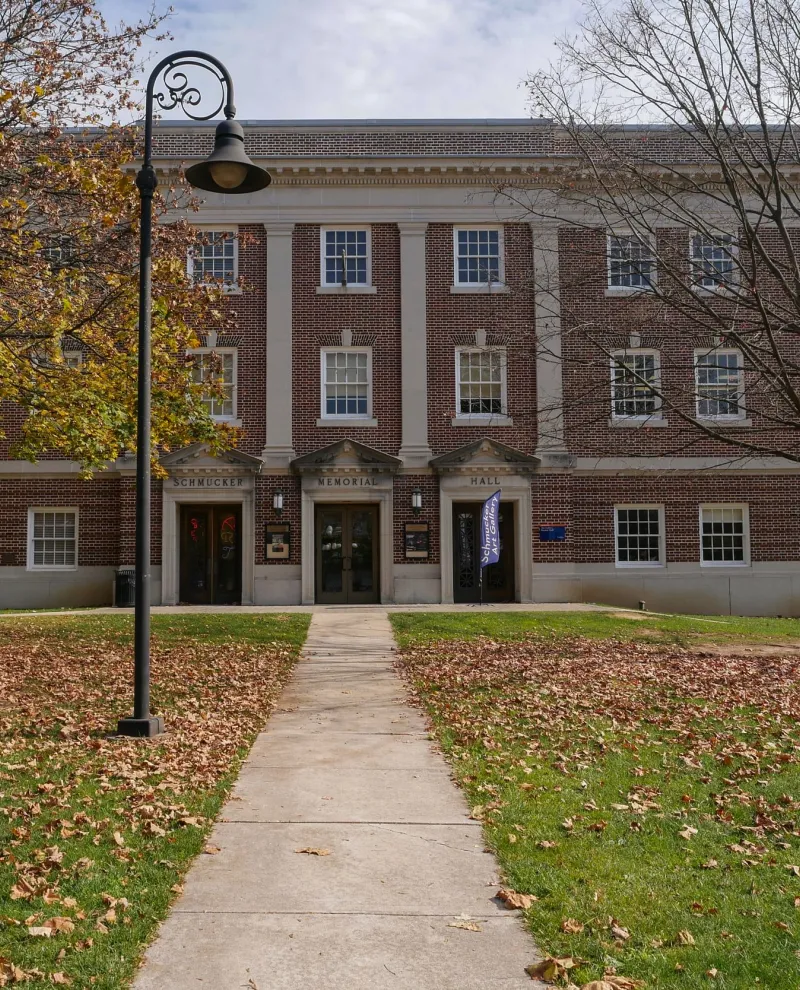
Schmucker Art Gallery
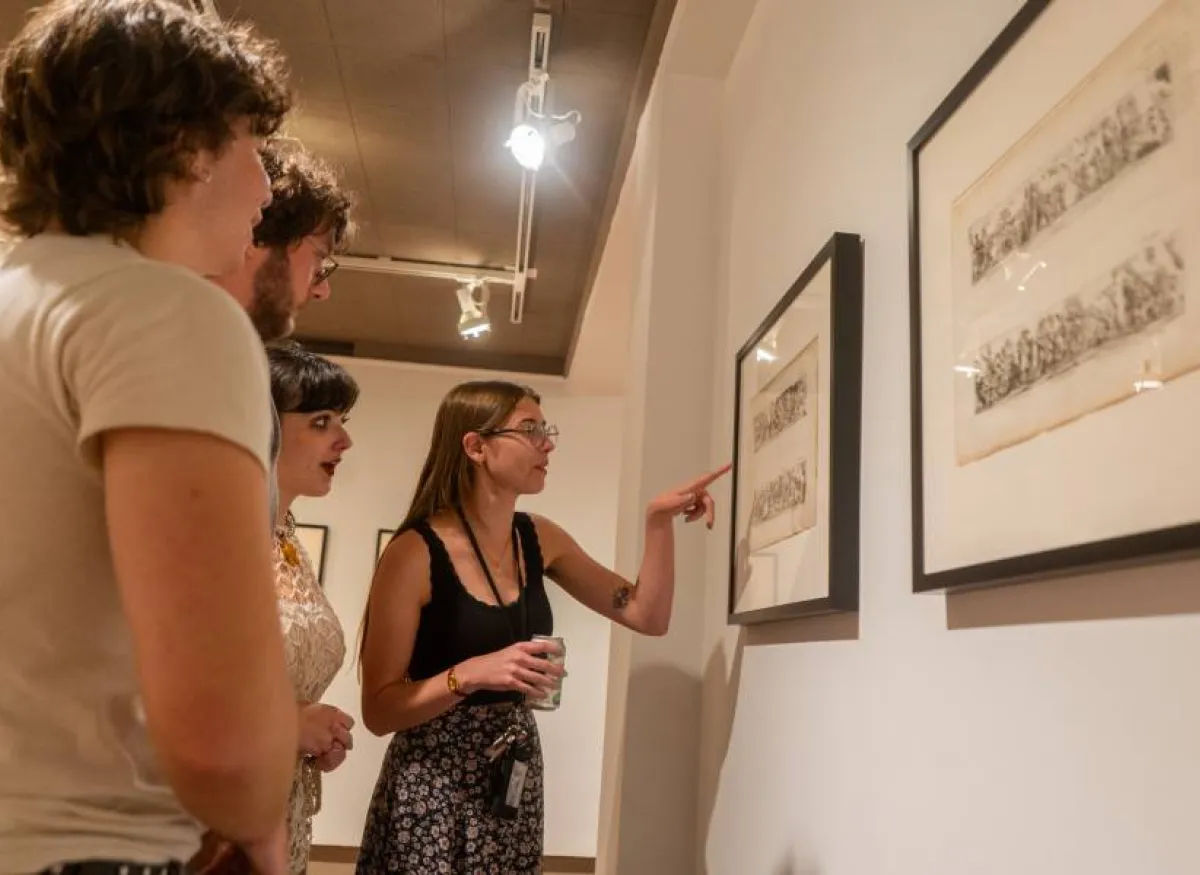
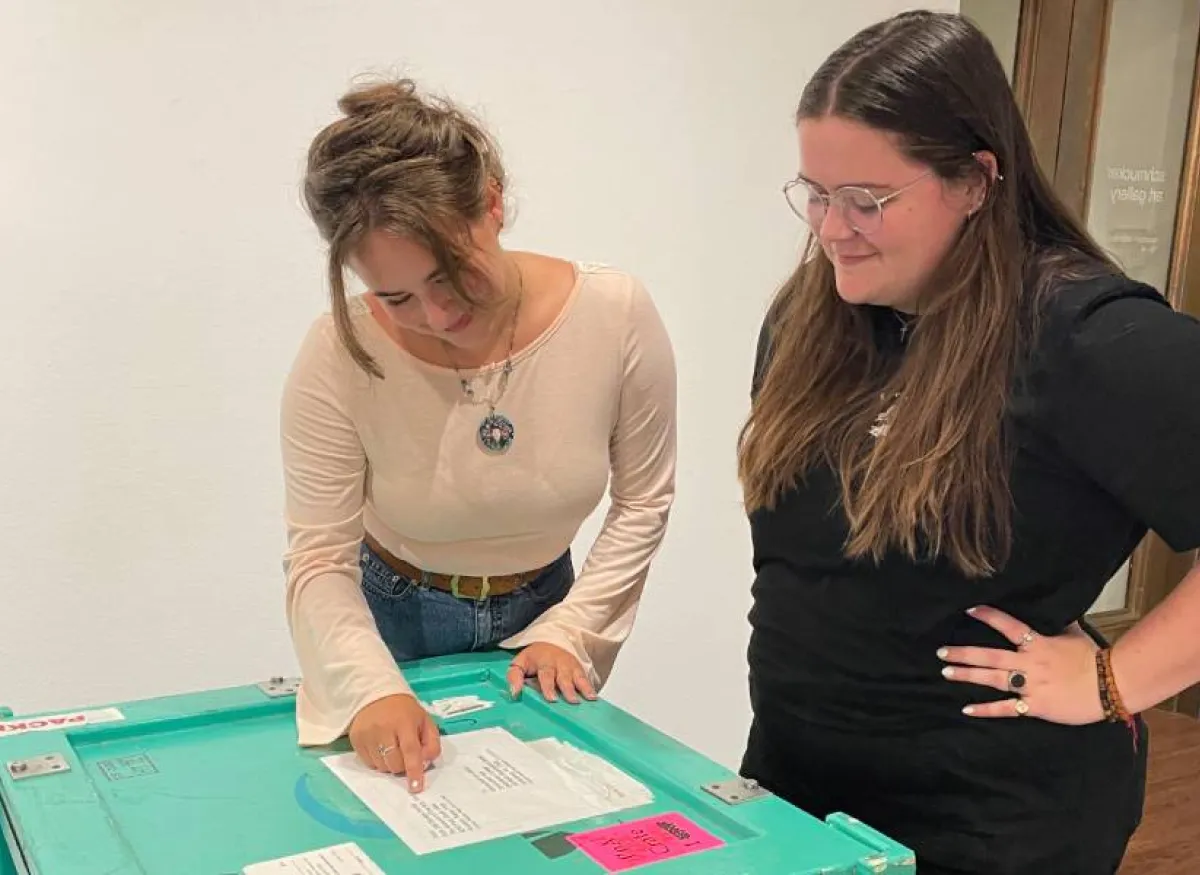
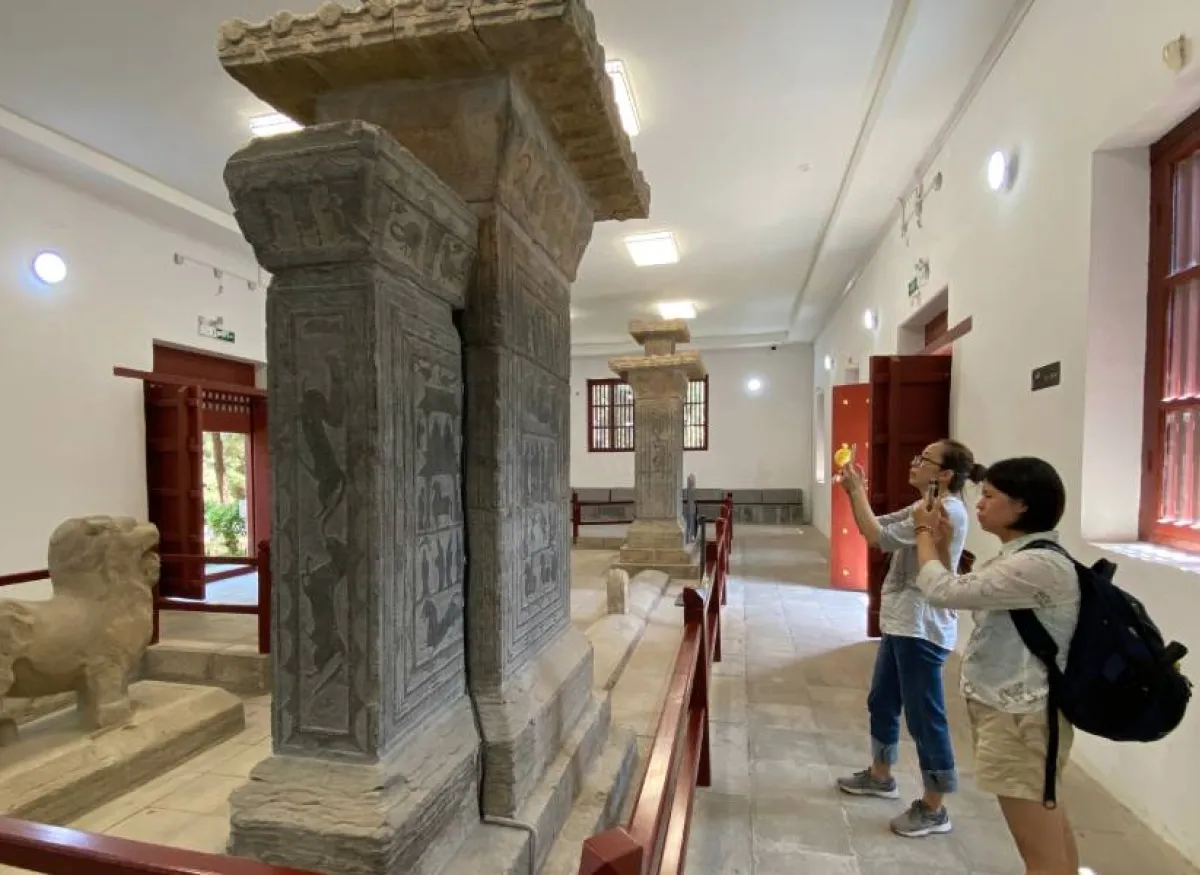
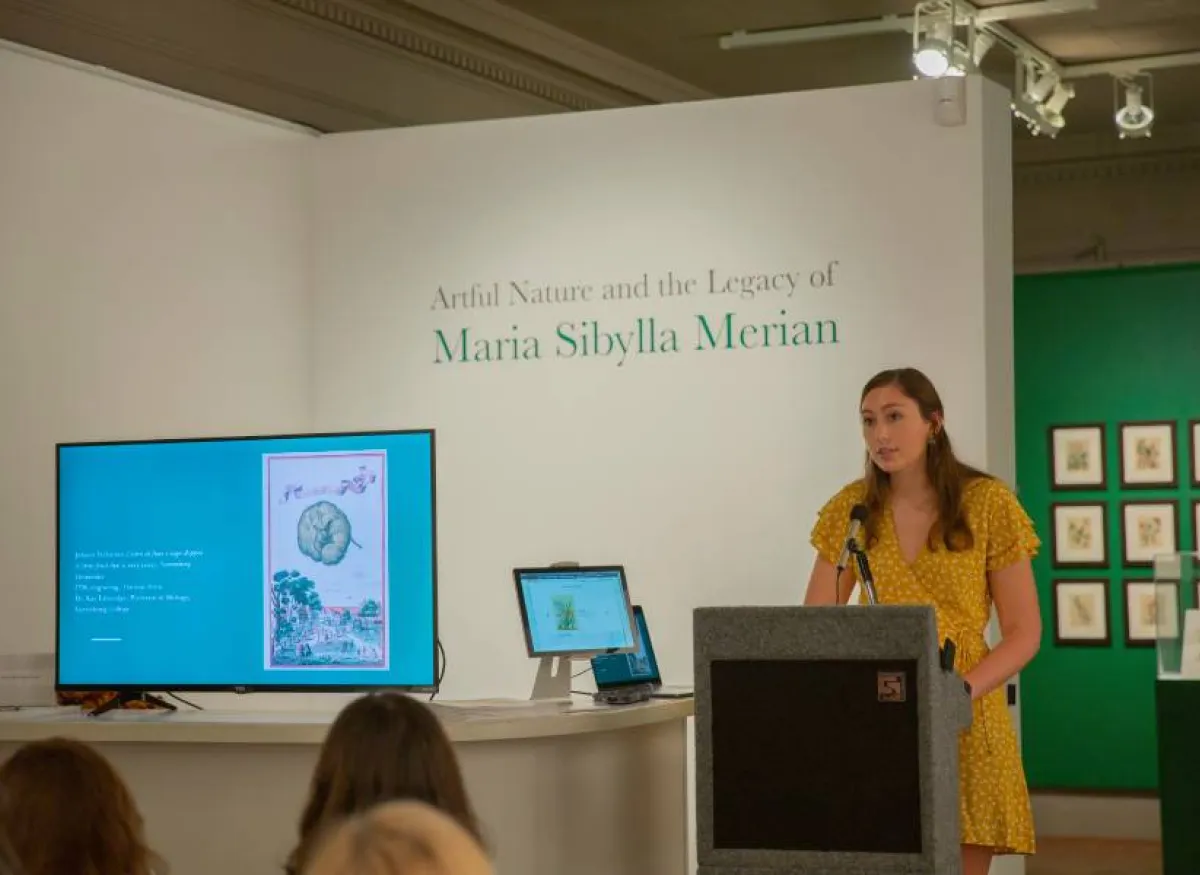
Schmucker Art Gallery provides students the chance to learn the ropes behind Gallery and Museum work, whether as student workers, part of a class or as curators themselves.
West Gallery
West Gallery provides a convenient and flexible exhibition space near the Painting and Drawing Studios, used for works that range from introductory classes to professional artists and where students can also serve as curators.
Art House
Art House is a College House centered around celebrating the arts on campus. Its mission is to promote art programs and establish a stronger artistic community on the Gettysburg College campus as well as local Gettysburg.
ARTEM
Artem is an art and art history club focused on community interaction with the arts. Artem seeks to connect students to art opportunities on campus and offers a creative space for students to meet.
From curating shows to exhibiting your own work, we promote dynamic student research and creative activity by engaging the diverse and rich world of artistic expression.
Working with objects first-hand is key, with numerous field trips to major museums in Baltimore and Washington, D.C. as well as an extended visit to New York City. Our majors and minors will be encouraged to expand their learning through Study Abroad for one or even two semesters.
Major and Minor Information
Twelve courses are required for the ARTS major.
Introductory Course
- ARTS 141 Introduction to Drawing, or ARTS 151 Introduction to Cartooning
Four Core Studio Courses
- ARTS 251 Introduction to Painting
- ARTS 255 Introduction to Printmaking,
- ARTS 261 Introduction to Sculpture
- ARTS 263 Introduction to Ceramics
All have ARTS 141 as pre-requisite
Two Upper Level Studios
- Two courses which can be the second-level of the core course you chose above or second-level drawing
Elective Studio
- One Elective Studio. May use approved media or internship
Three Theory and History Courses
- One entry level survey in Art History course: ARTH 125, 126, or 131
- One course on the history of art after 1945: ARTH 318
- Third course may be any other Art History course, FYS 197, or PHIL 334 Philosophy of Art
Major Capstone Course
- ARTS 401 Senior Portfolio
Notes:
- No more than two transfer or off-campus study courses may count toward the minimum requirements for the major
Eleven courses are required for the ARTH major.
Two Introductory Courses
- ARTH 125 or ARTH 126
- ARTH 214 Methods in Art History
Six Core Art History Courses
- One course in ancient or medieval fields. ARTH 201or 202
- One course in Renaissance or Baroque fields: ARTH 203, 245, 284, 303, 306, 307, 308, or FYS 188-1, FYS 197
- One course in 19th century or modern fields: ARTH 206, 210, 217, 221, 240, 270, 318, 322.
- One course in a non-western field: ARTH 131, 234, 235, 236.
- Two additional courses in art history or theory. May include approved Internships and Independent Studies.
Two Art Studio Courses
- Two ARTS courses
Capstone
- ARTH 400 Seminar in Art History
Notes:
- No more than two transfer or off-campus study courses may count toward the minimum requirements for the minor
The following courses are required for the AHMS major.
Three Archaeology, Material Culture, Museum Studies Courses
- ARTH 215 Intro to Museum Studies or FYS 122-1 Museum Staff Only: Behind the Scenes at the Museum
- Two courses from the following: ANTH 106, 212, 275, ANTH/ARTH 270, ANTH/LAS 232, ANTH 252/ AS 252 /352, ANTH/ CLA 255, CWES 225, CWES 250 Topic(s): Civil War Era Photography; Interpreting & Preserving Civil War Artifacts, ENG 297, FYS 112- 1 (if not used above), HIST 201, IDS 285, 325 (if taken in Fall 2023), SYS 231.
Five Courses with Onsite Museum Work
- At least one of the five courses must be Asian Art. Choose from ARTH 131 Introduction to Asian Art, ARTH 234: Arts of China, ARTH 235: Chinese Painting and Aesthetics.
- Choose up to four courses from the following: ARTH 125 Survey of Western Art, ARTH 126 Introduction to Modern and Contemporary Art, ARTH 131 Introduction to Asian Art, ARTH 201 Arts if Ancient Greece and Rome, ARTH 202 Medieval Art, ARTH 203 Northern Italian Renaissance, ARTH 210 20th Century European Painting, ARTH 226 Cameras, Canvas & Cannons: Visual Culture of the Civil War, ARTH 240 Arts of the African Diaspora, ARTH 245 Art of the Global Renaissance, ARTH 267 Topics in Visual Art History, ARTH 303 Art of the Italian Renaissance, ARTH 307 Baroque Art in the Age of Caravaggio and Vermeer, ARTH 318 Art after 1945, FYS 197 Florence: Art, Money, and Power in the Renaissance City
Experiential/ Hands-on Curatorial Practice
- ARTH 214 Methods in Art History
- Art History Course with Exhibition or Gallery Focus. Choose from a Schmucker Art Gallery Practicum, ARTH 267 Topic: Art and Public Policy, or other experiential options like Internships or Independent Studies.
Capstone
- ARTH 400 Seminar in Art History, with project focused on Museum-related topic
Notes:
- No more than two transfer or off-campus study courses may count toward the minimum requirements for the major
- Effective with the class of 2029, no more than three courses can count for credit in both the Art History Museum Studies Major and the Public History minor.
Six courses are required for the minor.
Introductory Course
- ARTS 141 Introduction to Drawing, or ARTS 151 Introduction to Cartooning
Three Studio Courses
- Two core studio courses from the following: ARTS 251 Introduction to Painting, ARTS 255 Introduction to Printmaking, ARTS 261 Introduction to Sculpture, ARTS 263 Introduction to Ceramics
All have ARTS 141 as pre-requisite - One upper-level studio course. Can be the second-level of the core course you chose above or second-level drawing
Two Theory and History Courses
- One entry level survey in Art History course: ARTH 125, 126, or 131
- One additional Art History course
Notes:
- No more than two courses can be at the 100-level
- No more than two transfer or off-campus study courses may count toward the minimum requirements for the minor
Six courses are required for the minor.
One Introductory Art History Course
- ARTH 125 or ARTH 126
Can be substituted with a 200 or higher Art History course
One Methods Course
- ARTH 214 Methods in Art History
A substitute course may be taken at the discretion of the Art & Art History Chairperson
Two Art History Courses at the 200 level or above
- Two ARTH courses at the 200-level or above
One Course in a Non-Western Field
- One from ARTH 131, 234, 235, 236
One Art Studio Course
- One ARTS course
Notes:
- No more than two courses can be at the 100-level
- No more than two transfer or off-campus study courses may count toward the minimum requirements for the minor
First Year Advising and Registration recommendations
Art History offers two tracks: a standard track and an Art History and Museum Studies track. Consider which path fits your interests before registering.
Common first-year courses
Required: all Art History tracks (spaces reserved for first-year students)
- ARTH 125 Survey of Western Art
- ARTH 131 Introduction to Asian Art
- ARTH 126 Introduction to Modern and Contemporary Art
Recommended: Art History and Museum Studies track
- ARTH 215 Introduction to Museum Studies
Available Courses
100 Level
An introduction to Western art from about 25,000 BC to the 21st century. Students learn some of the many relationships of visual art to various environmental contexts and some of the ways humans have employed art as a means to respond to life's experiences and also to influence those experiences. Additionally, students learn various methodologies of approaching art, such as formalist, feminist, Marxist. Through practice, students learn techniques of visual analysis and build skills to evaluate visual images.
Drawing from models and controlled studio problems. Intended to promote coordination of the hand and the eye to achieve a degree of technical mastery over a variety of drawing tools. Emphasis is placed on line quality, techniques of shading, negative-positive relationships, figure-ground relationships, form, structure, and an awareness of the total field. Prerequisite: First-year students and sophomores only.
The focus of the course is the study and practice of the principles of cartoon illustration, exploring both the creative and technical aspects. This course examines various cartooning styles; identifying and discussing the factors that make cartoons appealing and effective. Students will complete drawing assignments, covering different elements of cartooning, building in complexity and culminating in the completion of several finished cartoon pieces.
Introduction to Digital Media is a preliminary studio for digital art, graphic design,
and new media. Coursework introduces principles and techniques of visual communication and builds the capacity to discuss aesthetic, conceptual, and technical aspects of contemporary media. Workshops, sketching, informal writing, and constructive group reviews build visual discernment and teach industry standard tools and experimental technologies.
A survey of the Arts of Asia from Neolithic period to Modern times. Three general topics, including Ancient Civilization, Asian Religion and Art, Traditional China and Japan will be discussed. The course covers different art forms primarily painting, sculpture and architecture from several regions: India, China, Japan, Central Asia and Southeast Asia. The works of art are important in their own contexts and we want to learn what they reveal about their parent cultures. Offered every semester. ARTH 131 and AS 131 are cross-listed.
Study of the history of art from the mid-nineteenth-century to today, loosely from Post-Impressionism to art made within the past five years. We critically engage with the works themselves and situate them with their larger global and cultural context and trace the evolution of artists’ various formal, social, and political commitments. In this class we will ask: What constitutes a vital artistic intervention into any era and why? What are the aesthetic, social, and technological conditions that variously inform the making and interpretation of modern and contemporary art? What publics and whose politics do art and its institutions aim to engage, contest, or occlude? In attending to these questions, we will move more or less chronologically from the mid- nineteenth century up the present, surveying major trends and thematic, while also homing in on specific artists, exhibitions, and works that emblematize both the cultural contradiction of the modern and contemporary moment and the transformative potential of aesthetics within culture.
200 Level
Creative process as conditioned and disciplined by intaglio techniques. Discussion of past and contemporary methods, and the study of original prints. Offered once a year.
Development of unique and experimental techniques, procedures, images, presentations, and textural applications. Series of paintings is developed. Alternative concepts and methodology are discussed. Students are referred to works by artists who have related aesthetic interests. Prerequisites: ARTS141, 251, or permission of instructor. Offered once a year.
Development of a series of paintings according to a thematic image. Assigned problems are designed to introduce a variety of conceptual, procedural, and experimental possibilities. Prerequisite: ARTS 141 or permission of instructor.
Introductory course in experimental work, with a primary concentration on cameo techniques. Lithography and seriography are often introduced in alternate semesters. Prerequisite: ARTS 255. Offered once a year.
Introduction to fundamentals of three-dimensional forms and modes of expression involving creative problems in the organization of space, mass, volume, line, and color. Correlated lectures and demonstrations are used to acquaint students with those aspects of sculptural history and theory relevant to studio projects. Course is intended for both general students, and art majors.
Program of studio projects (arranged by instructor and student) concerned with developing an individual approach to three-dimensional form, using fabrication and construction techniques involving a series of experiments in spatial organization. Prerequisite: ARTS 261. Offered once a year.
Introduction to clay as a medium for personal three-dimensional expression. Material is approached in a utilitarian and sculptural way. Both wheel and hand-building will be practiced. Introduction to kilns and glaze techniques. Offered once a year. Prerequisite: ARTS 141; or permission of the instructor
Introductory course with a concentration on camera usage, design theory, and editing techniques in the digital photography creative process. Additional emphasis on origins, evolution, and relationship of the photographic image to contemporary materials and methods. Offered once a year.
Intermediate course with a concentration on camera usage, production of narrative imagery, videography, design theory, and advanced editing techniques in the digital photography creative process. Additional emphasis on origins, evolution, and relationship of the photographic image to contemporary materials and methods. Offered once a year.
Focuses on materials, techniques, and compositional parameters not systematically covered in the regular curriculum. Topics are chosen by individual studio faculty members and may include cast metal sculpture, welded sculpture, calligraphy, computer graphics, color photography, figurative drawing, watercolor painting, assemblages, installations and earthworks. Not offered every year.
The focus of the course is the study and practice of the principles of cartoon illustration, exploring both the creative and technical aspects. This course examines various cartooning styles; identifying and discussing the factors that make cartoons appealing and effective. Students will complete drawing assignments, covering different elements of cartooning, building in complexity and culminating in the completion of several finished cartoon pieces.
The course is an introduction to material culture studies, a dynamic interdisciplinary field that examines the fascinating lives of objects. Students will explore how scholars in diverse disciplines, primarily art history, archaeology and anthropology, and museum studies, study objects. By studying college’s special collections, student will learn how to address historical knowledge through examinations of objects, not only their physical attributes, but people’s relationships with them, and how objects and human shape each other in antiquity and contemporary world.
ANTH 270 and ARTH 270 are cross-listed.
Focuses on specific aspects of the history and theory of art and architecture not usually covered in the regular curriculum. Topics are chosen by individual faculty members; not offered every year.
An overview of art and architecture produced across cultures from the 14th-17th centuries. The course looks at the vibrant array of visual works from different areas of the world to de-center the traditional Euro-centered definitions of “Renaissance” and incorporate diverse perspectives, techniques, materials, iconographies, social expectations and cultural contexts. This course draws on new approaches to art in a global context and explores how different geographies interacted with each other through the circulation of goods, resources and knowledge.
Introductory survey of the art and architecture of Ancient Greece and Rome, beginning with the Bronze Age in the Aegean to the reign of emperor Constantine. The course covers the history, culture and social context of major works produced by these civilizations and analyzes developments in style, taste and use of materials. Recommended ARTH 125. Offered once a year. ARTH 201 and CLA 201 are cross-listed.
Survey of the arts of the Middle Ages and their development from the Roman catacomb through the high Gothic cathedral. Analysis of art as a reflection of changing political and social conditions in Europe, with particular emphasis on liturgical arts in the Middle Ages. Recommended prior course: ARTH 125.
Introductory survey of the art of the Northern Renaissance, ranging from the meticulous detail of Jan van Eyck to the superb workmanship of Albrecht Dürer to the mysterious and grotesque figures of Hieronymus Bosch. In lectures, readings and class discussions, students explore the artistic styles, history, culture and social context of works produced during the 15th-16th centuries in Northern Europe. Topics include the rise of naturalism in the Renaissance, the pioneering advances in oil painting and printmaking, the use of “disguised symbolism”, portraiture and genre subjects, and the impact of religious conflict and the Reformation.
Introduction to eighteenth-century painters in Italy, France, and England and their relationship to the Enlightenment. Major emphasis on the evolution of painting in France during the nineteenth century in relation to the changing social, political, and philosophical climate. Alternate years. Prerequisite: any 100-level ARTH, ARTH 201, or permission of instructor.
Study of the schools and critical writings surrounding the major figures in the first half of the 20th century. Such movements as Art Nouveau, Nabis, Fauvism, Cubism, Futurism, German Expressionism, De Stijl, Dada, and Surrealism are examined. Recommended prior courses: ARTH111, 112, or 120.
An introduction to the history of the art historical discipline and its research and interpretive methods. A broad goal of the course is to have students build a foundation of knowledge and methodology from which to approach works of art with understanding and critical appreciation. Through lectures and class discussions students will develop a thorough familiarity with various art-historical methodologies and be able to evaluate their applicability to the analysis of individual works of art. Students in the class will curate an exhibition of artworks from the college special collection in the Schmucker art gallery. Prerequisite: Any ARTH course, FYS 122-1, or HIST 201
Who decides what gets shown in a museum? How it gets shown? Who is the intended audience, and how do these institutions engage with the public? This course peels back the curtain to examine how museums function, both as cultural institutions and as businesses. We will unpack the various roles museums play in our society, including meeting the players who make institutions tick. Through a series of themes, field trips, and virtual meetings, we will analyze various kinds of museums, interact with museum professionals, and literally go behind the scenes to discuss issues such as collection storage and curation, exhibition implementation, development (fund raising), educational programming, and the handling of objects.
Survey of American painting from the Colonial Period to 1900, studied in relationship to developments in Europe, and with emphasis on the response of art to the changing social and technological environment in America. Alternate years.
"History and Theory of Photography" explores critical issues in photography from its invention in 1839 through the present. The course examines the following themes: the photograph as document, landscape photography in the American West, the relationship between photography and painting, the practice of street photography, and postmodern photography.
This course examines American visual culture in the Civil War period, encompassing painting, sculpture, prints, and photography. It treats works that directly depict aspects of the conflict, and those that address how everyday life and perceptions of what it meant to be American were shaped by the war and its aftermath. We examine how the making and circulation of images shifted during this pivotal period. ARTH 226 and CWES 226 are cross-listed.
This course examines how objects and images illuminate the cultural history of China from the late Neolithic period to the twentieth century. Recognizing China as an evolving geographic and cultural entity, the course approaches artworks from an interdisciplinary perspective, drawing on art history, archaeology, anthropology, and cultural studies. Students explore how objects and images both shaped and were shaped by Chinese and foreign ideas about identity, power, belief, and everyday life, and learn to interpret visual and material forms as carriers of meaning and as windows into China’s social, political, and cultural history. Open to First Year Students. Offered once a year. ARTH 234 and AS 234 are cross-listed.
A study of Chinese painting and the art forms that have long held prestige positions in Chinese art. This course is intended to introduce the students to artistic practices created by both professional artists and scholar-painters. Class lecture and discussion focus on painting, the history of collections, theories on connoisseurship and aesthetics from the 3rd c to modern times. The interplays between painting and poetry, philosophy and politics are emphasized. Ink and brushworks is also analyzed and demonstrated in class. ARTH 235 and AS 235 are cross-listed.
We are examining the transnational flows and exchanges that make up the cultures of the African diaspora. We survey theoretical approaches to the African diaspora and visual approaches to race, as well as the processes of forced migration and dispersal that gave birth to a Black Atlantic world. Throughout this process, we encounter a broad set of visual practices and aim to understand how issues such as modernity, race, and coloniality can be complicated when investigated through African diasporic aesthetics.
An introduction to the methods and practices of collections and curating. Students examine how museums and galleries function through hands-on experiences. In addition to learning how to handle artwork, manage art and digital image collections, and design and install exhibitions, students interact with the public through tours, didactic texts, and social media. Students consider the history of collections, engage in dynamic discussion about current issues and controversies, and learn about professional practices and careers in museums.
300 Level
Emphasis on individual concepts as developed in a series of interrelated drawing problems, materials, and techniques. Prerequisites: ARTS 141 or permission of instructor. Offered infrequently.
Emphasis on advanced painting concepts and the development of individual student concerns in a series. Prerequisites: ARTS 251 and 252. Offered infrequently.
Exploration of individual three-dimensional concerns, with concentration in one media and technique. Prerequisites: ARTS 261, 262. Offered infrequently.
Critical examination of the art forms and issues that identify the current post-modern phase of twentieth-century art. Past and current usages of the terms 'modern' and 'avant-garde' are explored in the context of contemporary modes of visual expression, art criticism, communications technology, and cultural pluralism. Prerequisite: two courses in art history and/or theory or permission of the instructor.
Art Study of painting, sculpture, and architecture in Europe, from the first decades after the Reformation through their transformation under the impact of the Counter Reformation. Artistic developments in Italy are discussed, as well as allied approaches in northern Europe and Spain. Works of some of the world's best known artists are examined, including Bernini, Caravaggio, Rubens, Rembrandt, Vermeer, El Greco, Velasquez, and Poussin. Prerequisite: ARTH 115, or 125, or any 200-level art history course; or permission of the instructor. Alternate years.
Survey of the art and architecture of the Italian Renaissance from the thirteenth to the beginning of the sixteenth century. Course explores the characteristics of this important historical period, traditionally defined as a time of rebirth. Class material introduces students to primary sources and biographies of prominent artists, including Michelangelo, Leonardo da Vinci and Raphael, as well as the broader historical context of patronage, politics and social customs. Prerequisite: ARTH 115, or 125, or 201, 202; or permission of the instructor. Offered once a year.
400 Level
Summer Internship graded S/U, counting in the minimum requirements for a major or minor only with written permission filed in the Registrar's Office
Individualized tutorial counting toward the minimum requirements in a major or minor, graded A-F
Individualized tutorial counting toward the minimum requirements in a major or minor, graded S/U
Individualized tutorial not counting in the minimum requirements in a major or minor, graded A-F
Individualized tutorial not counting in the minimum requirements in a major or minor, graded S/U
Individualized research counting toward the minimum requirements in a major or minor, graded A-F
Individualized research not counting in the minimum requirements in a major or minor, graded A-F
Individualized research not counting in the minimum requirements in a major or minor graded S/U
Internship counting toward the minimum requirements in a major or minor, graded A-F
Internship counting toward the minimum requirements in a major or minor, graded S/U
Internship not counting in the minimum requirements in a major or minor, graded A-F
Summer Internship graded A-F, counting in the minimum requirements for a major or minor only with written permission filed in the Registrar's Office.
Creation of a cohesive, individualized body of work for inclusion in the Senior Show, accompanied by portfolio presentation and faculty review. Emphasis is placed on extending unique student interests and strengths in an exploration of media, imagery, and technique, which result in mature, high quality aesthetic conclusions. Students participate in all aspects of offering the public a provocative, thoughtful series of well-crafted work that is displayed professionally. Offered every spring semester.
Summer Internship graded S/U, counting in the minimum requirements for a major or minor only with written permission filed in the Registrar's Office
Summer Internship graded A-F, counting in the minimum requirements for a major or minor only with written permission filed in the Registrar's Office.
Internship not counting in the minimum requirements in a major or minor, graded S/U
Internship counting toward the minimum requirements in a major or minor, graded S/U
Internship counting toward the minimum requirements in a major or minor, graded A-F
Individualized research not counting in the minimum requirements in a major or minor graded S/U
Individualized research counting toward the minimum requirements in a major or minor, graded S/U
Individualized research counting toward the minimum requirements in a major or minor, graded A-F
Individualized tutorial not counting in the minimum requirements in a major or minor, graded A-F
Individualized tutorial counting toward the minimum requirements in a major or minor, graded A-F
Discussion of methods, approaches and professional practices of Art History alongside the development of individual research projects and the organization of an academic symposium. Topics for critical discussion include formalism, iconography, social history, feminism and gender, high and low culture, challenging the canon and postmodernism. Students define and carry out an advanced research topic, the results of which will be written as a scholarly paper and delivered as a professional presentation with images in an Art History Symposium open to the public. Prerequisites: Senior Art History majors only. Offered in Spring semester.
Art and Art History
More In Art and Art History
Ready to Do Great Work?
